Bittersweet Life with T1D
There’s no easy way to explain life with Type 1 Diabetes. The highs, lows, injections, sensor changes, errors, and the dozens of factors that affect every meal. It’s never only about carbohydrates; so many other factors can interfere. Keeping blood sugars in range 24/7 is basically impossible, yet I have to try my best every single day.
The thing is, no one sees it, but my brain is always wired to detect, calculate, and survive. Without a working pancreas, I have to do its job with numbers. My “free” life is tied to math, syringes, sensors, and pumps.
For those who are new to Type 1: it’s not a lifestyle disease but an autoimmune condition with no cure. No diet or alternative remedy will fix it. Without insulin, I won’t live. New technology helps, but it also makes me heavily dependent on medical supplies.
Still, my motto has always been to live life fully. I’ve worked through meetings and daily tasks with high or low blood sugars, pretending to be fine. But over time it wears you down; exhaustion and hypo-unawareness set in and complications can appear.
I try not to let it define me but the pain hits hardest when I see fellow T1Ds struggling. It’s like looking in a mirror. Getting the balance right between empathy and space can also be difficult for friends and family. At the end of the day, loving me means getting T1D for free and it affects everyone around me.
So, drawing has become my outlet. Not long ago I started classes to express myself and ended up turning the everyday chaos of Type 1 mostly the alarms, the math, the surprise rollercoasters into playful but realistic comic illustrations. A bit of sarcasm helps too. I just keep trying and make one drawing at a time.
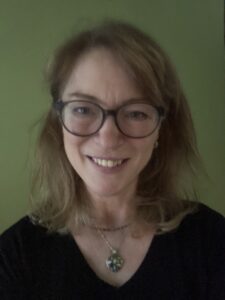
Through my work, I invite you into that same playful courage: trying new things, making room for mistakes and creating something for type 1 diabetics.

Diagnosed with type 1 diabetes in 1993, I’m the daughter of a Dutch mother (Verburg) and Turkish father (Keklik), and I grew up between Zurich, Istanbul, Diemen, Cyprus, and now I’m rooted in Amsterdam. Here, I worked as a pedagogue in health education and in child and youth protection, especially with disabilities.
I tend to be quite introverted, with an intense focus that can make me lose track of time and sometimes even forget to eat. That tendency isn’t ideal alongside type 1 diabetes, but it happens..
Her fearless spirit still guides me:
“I have never done it before and that’s why I think I can.”
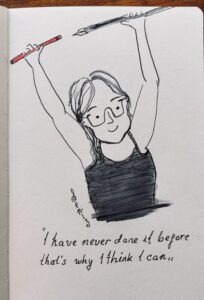
I also grew up with Pippi Longstocking: strong, independent and stubborn. Her fearless spirit still guides me:
“I have never done it before and that’s why I think I can.”